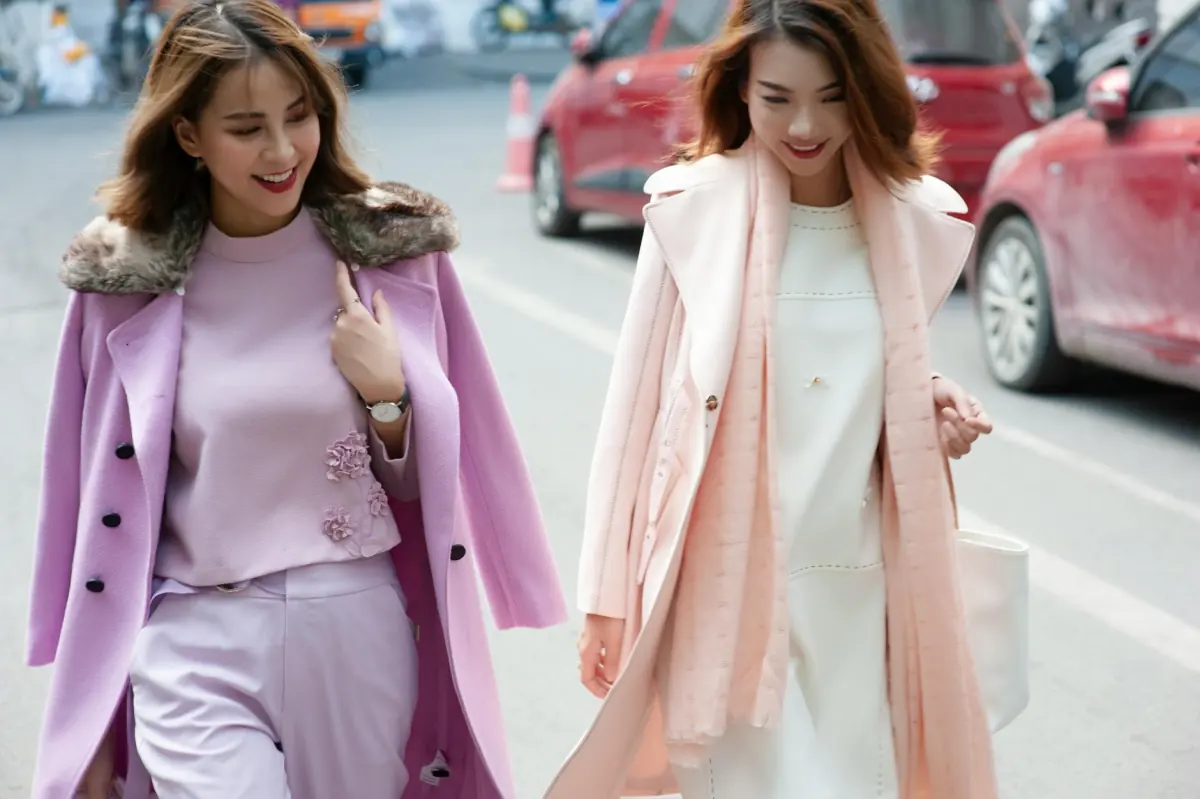
March 2026 UK style shifts women are actually buying into
March is the month where trend noise tries to bully your wallet. Every platform screams urgency, every carousel promises transformation, and every “must-have” suddenly looks like personal growth. In reality, women are buying more selectively than trend media admits. The practical winner is not the loudest aesthetic. It is the look that works across weather shifts, social settings, and mood changes without requiring a full wardrobe reset. This is where real style judgment matters.
The UK high-street climate right now rewards pieces that deliver immediate confidence while still blending with what people already own. That means cleaner structure, better layering logic, smarter footwear choices, and texture used as leverage rather than decoration overload. If a trend cannot survive repeat wear and normal life logistics, it is entertainment. Good entertainment, maybe, but still not a wise spend.
Why March trend coverage gets noisy and less useful
March sits in the gap between aspiration and weather reality, and that gap is where bad trend advice multiplies. Editorial coverage often leans into novelty because novelty photographs well, but novelty alone does not tell a reader what to buy first. The practical problem is that women do not dress for one dramatic image. They dress for commutes, social crossover, body confidence fluctuations, and repeated visibility among the same people. Any trend analysis that ignores those constraints is basically cosplay economics.
The smarter read is to separate narrative trends from behavior trends. Narrative trends dominate headlines; behavior trends dominate tills. Behavior trends are visible in pieces that can be styled multiple ways and worn at least weekly without looking tired. Think structured outer layers, better denim shapes, strong but simple accessories, and colour accents that lift basics instead of replacing them. When you evaluate trends through behavior rather than headline volume, your decision quality jumps immediately.
The trend families that are converting into real purchases
Three clusters are clearly converting. First, precision basics: better-cut shirts, tailored waist emphasis, and cleaner trouser lines. These work because they make existing wardrobes look more expensive without forcing a personality transplant. Second, controlled texture: suede, soft knits, and tactile layering that gives depth on camera and in person. Third, low-drama statement pieces: one strong element, then restraint everywhere else. Women are not rejecting expressive style; they are rejecting styling that requires daily theatre.
What makes these clusters commercially strong is flexibility. A structured blazer can carry jeans, midi skirts, or relaxed trousers. A texture-led knit can anchor both work and weekend looks. A single statement item can update old outfits without creating orphan clothing. This is why the spend feels rational. The buyer can see at least three immediate outfit routes before checkout. That mental clarity is exactly what trend-hype pieces usually fail to deliver.
Where social media pressure distorts style decisions
Influencer-led trend cycles create an illusion of consensus. In reality, many so-called “everywhere” looks are concentrated in specific creator clusters with shared aesthetics, body types, and filming environments. The average reader then overestimates real-world adoption and buys for imagined social approval. The crash comes later when the piece feels too context-dependent or too effort-heavy for normal routines. That is not a confidence issue. It is a bad input quality issue.
A useful defense is to ask one tactical question before buying: would this still work if no one photographed it? If the answer is shaky, you are probably paying for digital validation, not wardrobe utility. Another filter is environment portability. Can the item move from indoor heat to outdoor chill, from day to evening, and from polished to casual with small adjustments? If not, it may still be fun, but it belongs in the “limited experiment” budget, not the core spend budget.
How to buy trend pieces without regret spending
Use a three-step test. Step one, repeatability: can you style it five ways with what you already own. Step two, friction: is care, fit, or comfort likely to make you avoid it after week two. Step three, resilience: does it still look good when styled simply, without full trend scaffolding. Pass all three and you have a credible buy. Fail two and you have content bait. This framework removes emotional fog and turns impulse into decision process.
Also, stop treating discount as proof of value. A reduced price on a low-utility item is still money burned. Better to buy one higher-performing piece at full price than three trend leftovers that never stabilize into your rotation. The current market rewards disciplined shoppers because there is constant supply pressure. You can wait, compare, and choose stronger versions instead of panic-buying weak ones. Style confidence grows when your wardrobe becomes a system, not a sequence of dopamine spikes.
Body confidence and fit reality in current trend culture
A lot of trend messaging still assumes one silhouette experience, and that creates silent failure for readers whose fit journey is different. The better approach is function-first styling: where does the garment support movement, where does it create shape, and where does it create stress. Women are increasingly ignoring trend commandments and adapting proportions to their own comfort and identity. That is not trend rejection. That is trend maturity, and it is one of the healthiest shifts in current style culture.
Retail winners are the brands and cuts that allow this adaptation without punishment. Adjustable waists, better fabric behavior, forgiving tailoring lines, and honest product imagery all matter more than perfect runway translation. Readers respond to commentary that validates fit reality instead of pretending everyone shops from the same body template. If your style voice cannot handle that truth, it cannot deliver trustworthy shopping guidance in 2026.
Your practical shortlist for the next four weeks
If you want immediate return, prioritize one tailored layer, one upgraded knit, one reliable wide-leg or straight trouser, and one accessory with character that does not overpower everything else. Add one trend-experiment piece only after those fundamentals are covered. This order protects budget and maximizes outfit output. It also keeps your wardrobe aligned with real life rather than algorithmic urgency.
The overall call is straightforward. March trend culture is useful when treated as signal input, not command language. Borrow energy, ignore panic, and buy for repeat wear under normal conditions. When a trend improves your existing system, keep it. When it demands a full identity rewrite, leave it. Women are already shopping this way in practice. The smartest style coverage now is simply honest enough to say it clearly.