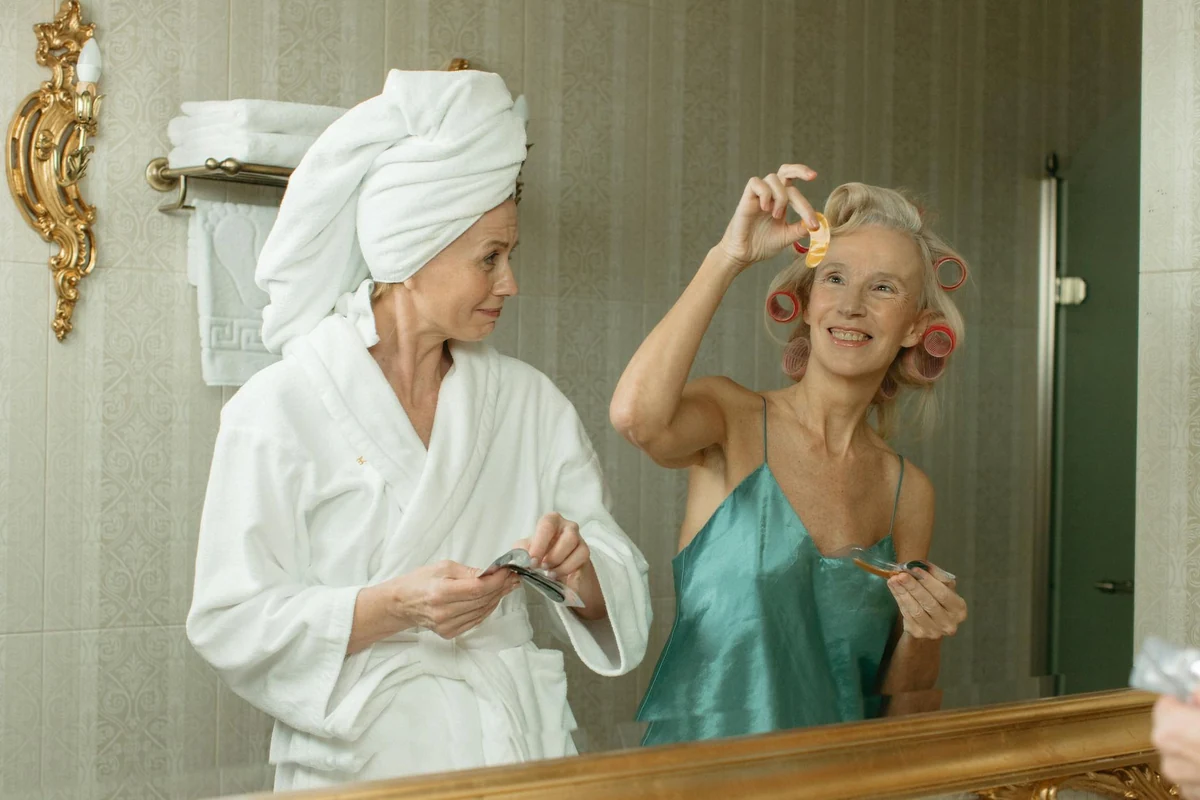
Self-care has been sold to women as if it comes with a flute of prosecco and a candle strong enough to fix your entire life. Nice try. For a lot of UK women, real care looks far less glamorous: turning your phone off for half an hour, eating something that isn’t a sad biscuit, and refusing to answer one more message from the group chat that has somehow become a part-time job.
That doesn’t make it boring. It makes it useful. The trick is to stop treating self-care like a special event and start treating it like basic maintenance for your brain, body, and patience. If you want the big-picture version, recoverydirect.co.za has a full guide here that goes deeper into the mind-body-soul side of things, but the short version is this: if it doesn’t actually help you function, it’s probably just expensive décor.
Why the Bubble Bath Myth Won’t Save You
A lot of women have been trained to think self-care has to look cute to count. That is exactly how we end up with £18 face masks, spa vouchers we never use, and a very polished Instagram story that hides the fact we are still exhausted, cross, and living on caffeine.
The numbers back up the scepticism. Mintel found in 2023 that 46% of UK consumers think wellness is too pricey, which is hardly shocking when a spa day in the UK can run from about £75 to well over £200. Add in the fact that #selfcare on Instagram has exploded into tens of millions of posts, and it becomes obvious that a lot of wellness culture is more about looking restored than actually feeling restored.
Then there’s the emotional tax. Many women are still carrying the old “good girl” script: be useful, be agreeable, don’t make a fuss. That’s how self-care gets filed under selfish and postponed indefinitely. Meanwhile, the Mental Health Foundation says 74% of UK adults have felt overwhelmed by stress in the last year. That is not a niche problem. That is a national mood.
The Small Stuff That Actually Works
The least glamorous habits often do the most heavy lifting. You do not need a retreat in the Cotswolds to start feeling better. You need repetition, not theatrics.
Sleep comes first. The NHS recommends 7 to 9 hours a night, and boring as that sounds, a regular bedtime does more for your mood than a scented bath ever will. Water matters too. Aim for around 6 to 8 glasses a day, which is roughly 2 litres, because dehydration is a sneaky little thief of energy and concentration.
Food also counts, even when life is chaotic. Balanced meals do not have to mean meal-prepped quinoa in a glass box. Sometimes self-care is simply having a decent lunch before 3pm so you do not become emotionally possessed by a packet of crisps.
Movement helps in the same unspectacular way. A 20 to 30 minute walk, especially somewhere with actual trees and not just a hedge near a roundabout, can calm stress and reset your head. If that sounds impossible, try a movement snack: a quick stretch, a lap around the block, or standing up between tasks instead of fusing to your chair like office furniture.
Journalling is another underhyped win. Five minutes of writing down what is bothering you, or what you are grateful for, can take the pressure out of a spiralling brain. So can decluttering one tiny area. A clear desk, handbag, or kitchen counter sounds minor until you realise how much background noise mess creates.
How to Fit It Into a Real UK Life
Self-care falls apart the moment it becomes another impossible task. So don’t make it one. Slot it into habits you already have.
While the kettle boils, do a short mindfulness exercise. On the commute, listen to something calming instead of re-reading work emails for the fourth time. During chores, put on a podcast that makes you laugh rather than one that tells you to optimise your entire existence. If you work from home, protect the first 30 minutes of the day from your phone. That tiny screen-free stretch can stop the day from starting in a state of digital ambush.
Boundaries matter here too, because no self-care plan survives if everyone else gets your time first. Set an hour when emails stop. Say no to the social invite you only accepted out of guilt. Put the dinner table off-limits for phones. These are not dramatic acts. They are quiet ways of telling your nervous system it does not have to stay on duty all day.
Spotting Performative Wellness
The easiest way to tell whether something is real self-care is to ask why you are doing it. If the answer is “because it looks nice” or “because everyone on TikTok is doing it,” proceed with caution. That does not always mean the activity is bad, but it may mean the motivation is off.
A useful test is what happens afterwards. Real self-care leaves you steadier, clearer, or calmer. Performative self-care leaves you lighter for ten minutes and then annoyed you spent money on it. It can also add pressure: the pressure to post it, justify it, or make it aesthetic enough to count.
Authentic care is often plain-looking. It might be a packed lunch, an early night, a hard conversation, or a weekend spent catching up on life admin so Monday does not feel like a pile-up. That is not less worthy because it is not camera-friendly. It is more useful because it is real.
What Actually Deserves the Name
For UK women, self-care is not a luxury item. It is the unglamorous habit of protecting your energy before it disappears. It is sleep, water, movement, food, boundaries, and a bit of mental housekeeping. It is choosing what helps, not what trends.
And yes, sometimes that includes a bath. But only if it is a bath that happens after the dishes are done, the phone is on silent, and nobody is expecting you to turn relaxation into content.